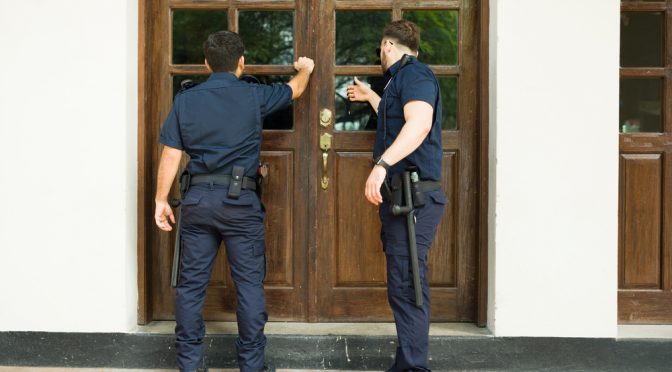

In the Philippines, police cannot enter your house without a warrant unless specific legal exceptions apply, including hot pursuit operations, emergencies, voluntary consent, or crimes committed in plain view.
Many Filipinos only search this topic after police suddenly arrive at their bahay during a barangay complaint, anti-drug operation, neighborhood dispute, or late-night incident. Knowing your constitutional rights before that happens can help you stay calm and avoid making costly mistakes.
What Does Philippine Law Say About Warrantless Entry?
The right against unreasonable searches and seizures is protected under Article III, Section 2 of the 1987 Philippine Constitution.
Under Philippine law, police officers normally need a valid search warrant signed by a judge before entering a private residence. The warrant must specifically identify:
- The exact place to be searched.
- The items to be seized.
- The legal justification for the operation.
Without a lawful warrant or a recognized exception, entering a private home may become an unconstitutional search.
Philippine courts have repeatedly emphasized that warrantless searches are exceptions and must be interpreted strictly.
Landmark Supreme Court rulings helped shape these protections:
- Stonehill v. Diokno established that general warrants are unconstitutional and cannot be used for broad fishing expeditions.
- People v. Doria reinforced strict limitations on warrantless searches and police operations.
- Valmonte v. De Villa discussed constitutional limits involving checkpoints and police authority.
In recent years, public concern about warrantless entry increased due to anti-drug operations, viral arrest videos, body camera footage, and social media discussions involving police raids and constitutional rights.
When Can Police Legally Enter a House Without a Warrant?
Hot Pursuit Operations
Police may legally enter a house without a warrant when they are actively chasing a suspect immediately after a crime.
This is called a “hot pursuit” operation.
Examples include:
- A robbery suspect runs into a nearby house while being chased.
- Police witness a stabbing and immediately pursue the suspect into private property.
- An armed suspect escapes into a residential compound moments after committing a crime.
Courts usually require the pursuit to be immediate and continuous. Police generally cannot claim “hot pursuit” many hours later.
Consent From the Occupant
Police may legally enter if the homeowner, renter, or lawful occupant voluntarily allows them inside.
This is one of the most misunderstood situations because many Filipinos unintentionally give consent during stressful encounters.
Examples may include:
- Verbally inviting officers inside.
- Agreeing to a search request.
- Opening rooms or cabinets voluntarily.
- Saying “okay” when officers ask to inspect the property.
Once valid consent is clearly given, officers may no longer need a warrant for the areas covered by that permission.
However, consent obtained through threats, pressure, intimidation, or fear may later be challenged in court.
Crimes Committed in Plain View
Police may act without a warrant if illegal activity or evidence is immediately visible.
This is known as the “plain view doctrine.”
Examples may include:
- Illegal drugs openly displayed on a table.
- Firearms visible during a lawful visit.
- Evidence of an ongoing crime visible from outside the property.
The key factor is that officers must already be lawfully present when they observe the evidence.
Emergency Situations
Police may enter a house without waiting for a warrant during emergencies involving immediate danger to life or property.
Examples include:
- Hearing screams for help.
- Responding to fires or explosions.
- Preventing imminent violence.
- Attempting to rescue victims inside the property.
Courts generally recognize that officers do not need to delay action when lives are at risk.
Ongoing Crimes Inside the Property
If police directly witness a crime happening inside a home, they may immediately intervene.
This may apply to:
- Domestic violence.
- Kidnapping.
- Illegal detention.
- Armed assaults.
- Violent disturbances.
When Can Police NOT Legally Enter a House Without a Warrant?
In many situations, police still need a valid warrant before entering private property.
Examples where warrantless entry is usually unlawful include:
- Anonymous tips without supporting evidence.
- Random inspections.
- Neighborhood rumors.
- Fishing expeditions for evidence.
- Simple noise complaints without danger.
- Entering solely because a gate or door is open.
Pwede bang pumasok ang pulis kahit bukas ang pinto? Usually, no. An open door alone does not automatically give police legal permission to enter.
Legal Entry vs Illegal Entry
| Situation | Usually Legal? |
|---|---|
| Hot pursuit of suspect | Yes |
| Voluntary consent given | Yes |
| Emergency rescue situation | Yes |
| Crime happening in plain view | Yes |
| Valid search warrant presented | Yes |
| Random inspection | Usually No |
| Anonymous tip alone | Usually No |
| Noise complaint only | Usually No |
| Open door without consent | Usually No |
Can Barangay Officials Enter Your House Without a Warrant?
Barangay officials do not automatically have the authority to enter private homes without permission.
Many Filipinos mistakenly believe barangay officers or tanods can freely conduct searches during complaints or disputes. Constitutional protections still apply.
Barangay officials generally cannot:
- Force entry into your home.
- Conduct independent searches.
- Confiscate private property without legal basis.
- Override constitutional protections.
However, they may lawfully enter if:
- You voluntarily allow them inside.
- They are assisting police during a lawful operation.
- An emergency situation exists.
Can Police Force Open Your Door?
Police generally cannot break into your house without legal justification.
Forced entry may become lawful only under limited situations such as:
- Execution of a valid search warrant.
- Hot pursuit operations.
- Immediate threats to life.
- Ongoing violent crimes.
- Armed suspects resisting lawful arrest.
If officers force entry without proper legal grounds, the search may later be declared unconstitutional.
What Happens if Police Conduct an Illegal Search?
Under Philippine law, evidence obtained through illegal searches may become inadmissible in court.
This constitutional safeguard is commonly called the “Exclusionary Rule.”
In practical terms:
- Illegally seized evidence may be rejected by courts.
- Criminal cases may weaken significantly.
- Officers may face administrative or criminal complaints.
- Victims may file legal actions for rights violations.
Ano ang karapatan mo kapag walang search warrant? You have the right to question unlawful entry, remain silent, and contact a lawyer.
Can Police Search Your Phone or Laptop Without a Warrant?
Digital privacy has become a major legal issue in the Philippines, especially during anti-drug operations and cybercrime investigations.
Even if police lawfully enter your home, this does not automatically give them unlimited access to your devices.
Phones, laptops, tablets, and cloud accounts often contain:
- Banking information.
- Private conversations.
- Emails.
- Photos and videos.
- Social media accounts.
- Work documents.
In many situations, a separate legal basis or warrant may still be required before authorities can fully inspect digital contents.
Related guide:
- Can police search your phone without a warrant in the Philippines?
Can Police Enter a Condo, Apartment, or Rental Unit Without a Warrant?
People living in condominiums, apartments, boarding houses, and rental properties still have constitutional privacy rights.
Police generally still need:
- A valid warrant.
- Voluntary consent.
- Or a recognized legal exception.
In most situations:
- Landlords cannot waive a tenant’s constitutional rights.
- Condo security cannot automatically authorize a search.
- Neighbors cannot legally consent on behalf of occupants.
Can police enter your bahay without a warrant if you are only renting? Usually, no. Renters still have constitutional privacy protections.
Real-Life Situations Where Warrantless Entry Commonly Happens
Many Filipinos only research warrantless searches after police suddenly appear at their home during stressful situations.
Common examples include:
- Barangay complaints escalating into police visits.
- Domestic disputes reported by neighbors.
- Noise complaints late at night.
- Anti-drug operations.
- Reports of illegal gambling.
- Condo or subdivision security incidents.
- Viral social media incidents involving arrests.
In many of these situations, fear and confusion cause people to unintentionally give consent to searches they could have legally refused.
What Police Cannot Legally Do Without a Warrant
Without a lawful warrant or recognized legal exception, police generally cannot:
- Randomly enter your home.
- Force you to unlock your phone immediately.
- Search unrelated rooms beyond the scope of consent.
- Use intimidation to obtain permission.
- Confiscate property without legal basis.
- Conduct speculative searches hoping to discover evidence.
These constitutional limitations exist to protect citizens from abuse of authority.
What To Do if Police Arrive at Your House
If police arrive at your home:
- Stay calm and avoid hostile behavior.
- Ask officers to identify themselves.
- Ask whether they have a search warrant.
- Carefully examine the warrant if presented.
- Avoid physically resisting officers.
- Do not sign documents you do not understand.
- Document the interaction if safe and lawful.
- Contact a lawyer immediately in serious situations.
Even if you believe the search is illegal, physically resisting officers may lead to additional criminal charges.
Related guides:
- Your rights during arrest in the Philippines.
- Illegal search and seizure laws in the Philippines.
- Can police arrest you without a warrant in the Philippines?
Frequently Asked Questions
Can police enter my house if the door is open?
No. An open door alone does not automatically mean consent.
Can neighbors allow police into my house?
No. Neighbors cannot legally authorize entry into your home.
Can police search a rented apartment without permission?
Usually no. Police still need consent, a warrant, or a legal exception.
Can landlords allow police to search a tenant’s room?
Usually no. Landlords cannot waive a tenant’s constitutional rights.
Can police enter during anti-drug operations?
Yes, but constitutional rules still apply.
Can illegally seized evidence still be used in court?
Usually no. Illegally obtained evidence may be excluded.
The Philippine Constitution strongly protects the privacy of your home, but those protections are not absolute. Police may legally enter without a warrant only under recognized exceptions such as hot pursuit operations, emergencies, voluntary consent, or ongoing crimes.
Understanding these rules is important because many unlawful searches happen during chaotic, high-pressure situations where people are uncertain about their rights. Knowing when police can legally enter your property may help you protect your constitutional rights while still cooperating peacefully with lawful authorities.
This article is for informational purposes only and should not be considered formal legal advice. For serious legal concerns, consult a qualified Philippine lawyer immediately.
Written by a legal researcher focused on Philippine constitutional rights, police procedure, and practical legal awareness topics.
Sources and Legal References
- 1987 Philippine Constitution, Article III, Section 2.
- Rules of Court on Search and Seizure.
- LawPhil Supreme Court archive.
- Philippine Supreme Court rulings including Stonehill v. Diokno, People v. Doria, and Valmonte v. De Villa.
Comments are closed!